The Film Society Founder
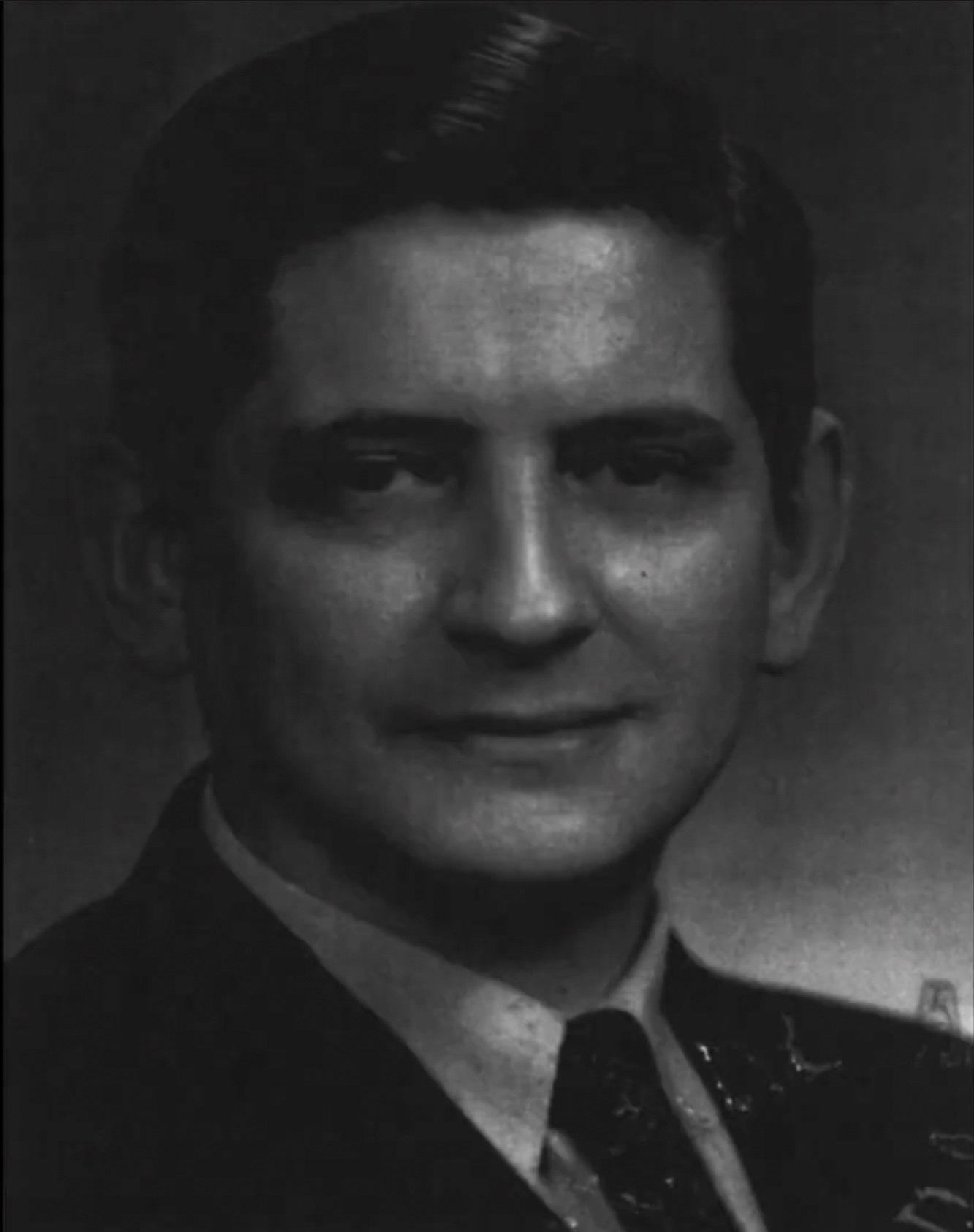
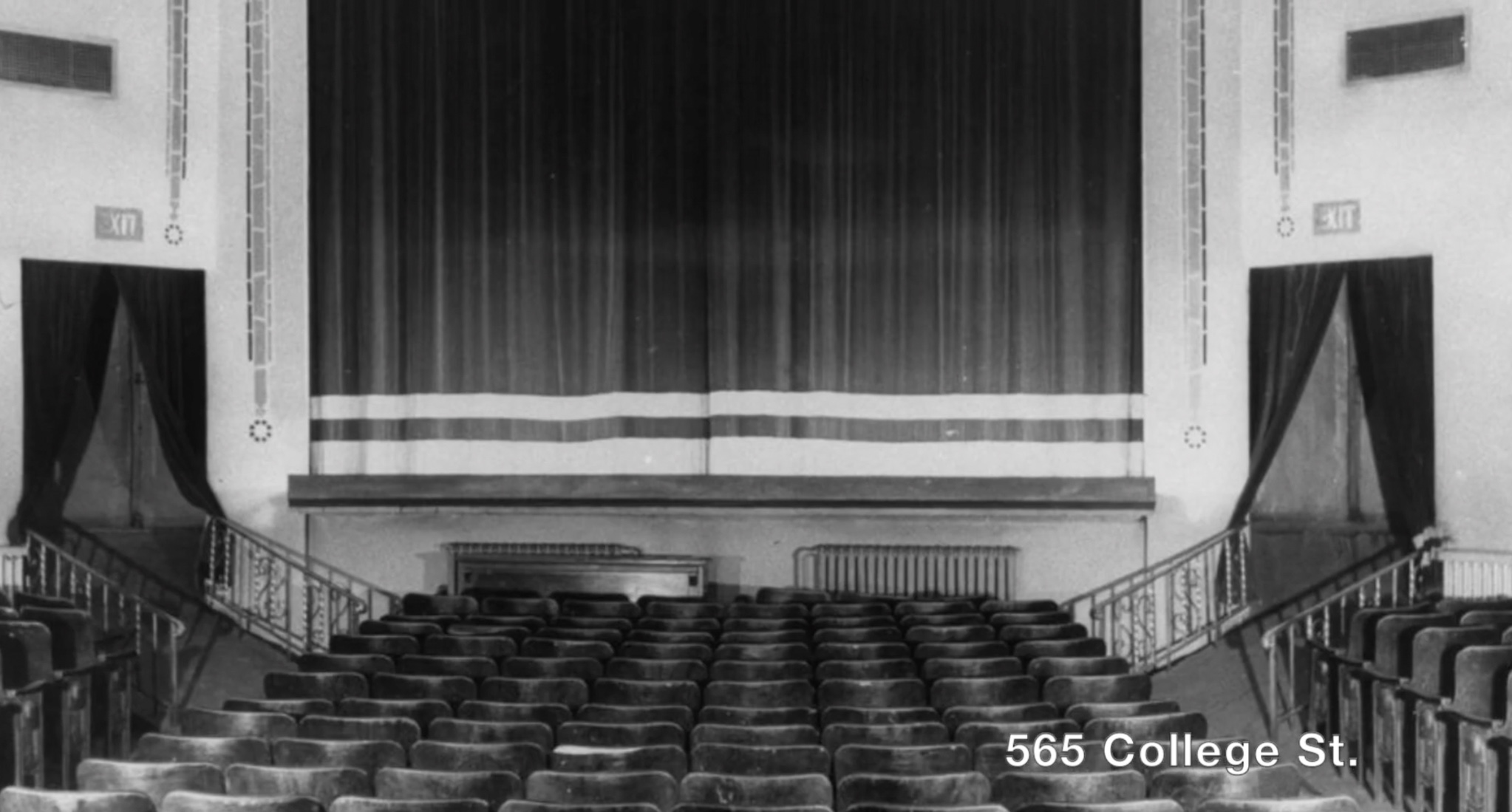
Verna Van Sickle used to run projectors and create soundtracks for silent movies for film societies in Toronto, which her father helped start. Vernon Van Sickle, eager to watch and study films from Europe in the 1940s, launched a film study group in Vancouver and went on to create similar organizations in Toronto, Ottawa and Gatineau. Running the film societies in Toronto wasn’t easy. Verna remembers the challenges posed by the Lord’s Day Alliance restrictions, by the quick turnaround required for film rentals and by the problem of finding a place to show their movies. It may have been nerve-wracking, but Verna says she learned a lot about film and music, and she had fun! Sadly, Verna passed away in July, 2025 at age 93. We are grateful that we had the opportunity to interview her. If anyone has more information about the film society movement in Canada during the early days, please email us at info@backlanestudios.ca.
__________________
Here is more information about Verna’s father Vernon van Sickle and the Toronto film societies, compiled by Karen Black: Vernon Van Sickle played a critical role in the establishment of film survey and study groups across Canada but especially in Vancouver, Toronto and Ottawa during the late 1940s and into the 1950s. He was part of an intellectual group that included Marshall McLuhan, Dorothy Livesay and Jack Shadbolt, which was reacting to the medium of film and the relationship between art and technology. Van Sickle’s passion was for the silent films of the 1920s and 1930s. His role in the various film societies was to identify and order the films, often from the Museum of Modern Art in New York, and to find classical music to accompany them. There were various factions in the film movement. In Toronto, Van Sickle helped found the Toronto Film Society in 1948 but eventually differences arose, and he and his daughter formed another group called the Realist Society. Historians suggest these differences may have been related to the degree of preference for films aligned with the Soviet Union and the emerging Canadian Communist movement as opposed to focusing on more mainstream films. The Realist Film Society was initially affiliated with the UFPO (United Jewish People’s Order) which later split over differing views about the Soviet Union. When the Realist Film Society showed a Polish film, called “The Last Stop,” about the Holocaust, the screening was interrupted by the RCMP. The film was seized because it was no longer deemed to be in the public interest because of the Cold War, given that Germany was now an ally against the Soviet Union. The Lord’s Day Alliance of Canada was an organization created by Protestant churches to combat the increasing secularization of Sunday. In the 1950s, under increasing competition from television, movie theatres wanted to be able to operate on Sundays. The Lord’s Day Alliance was the chief opponent to this. Rules governing activities on Sunday were covered by the federal Lord’s Day Act, as well as municipal and provincial regulations. According to Verna’s perspective, the Lord’s Day Alliance people who she dealt with were local, and they seemed to exercise some control over the content of the films to be shown. Even so, film censorship in Ontario in the 1950s was under the control of the Ontario Censorship Board, which operated under The Theatres Act.