How High Park Shaped a Legend
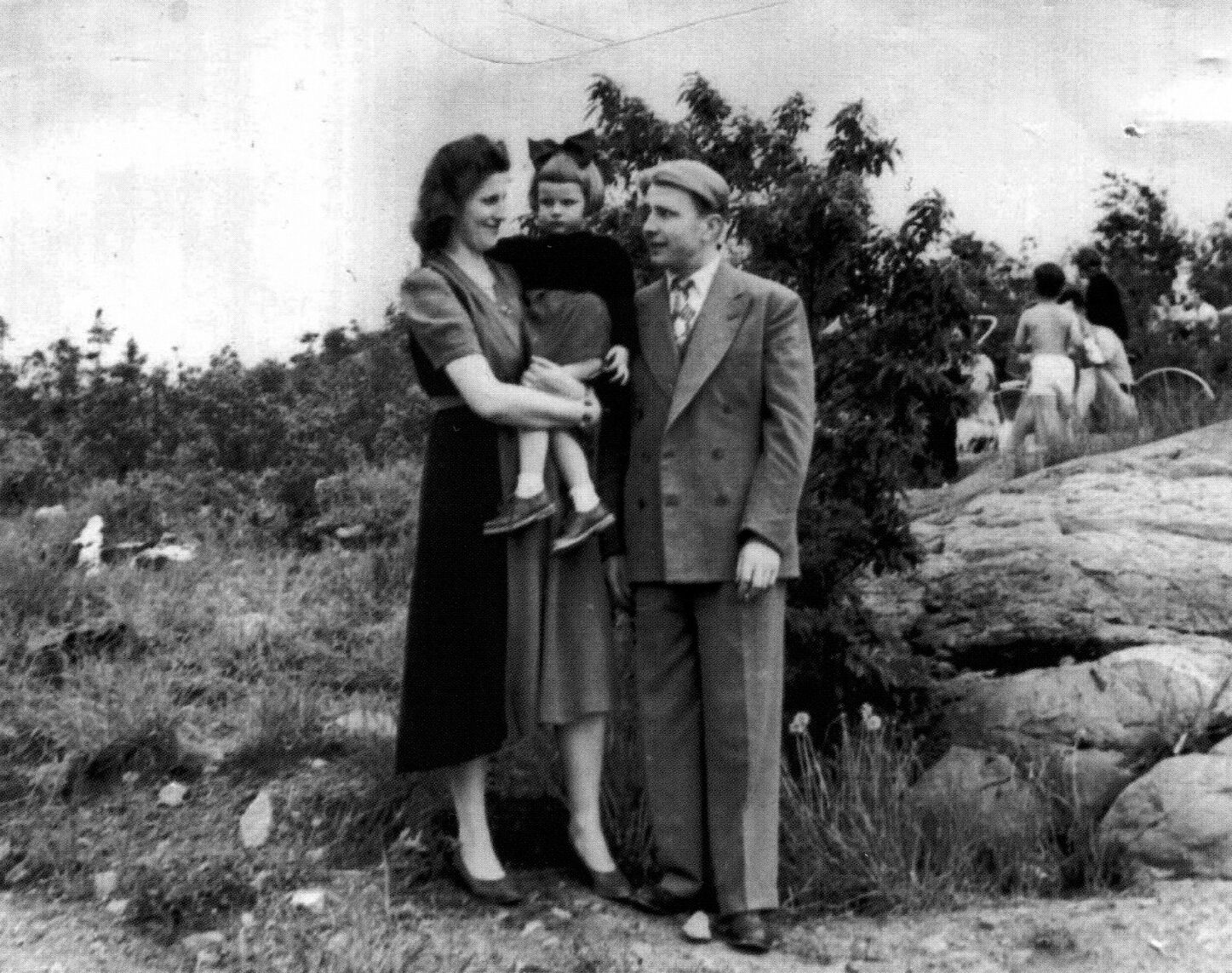
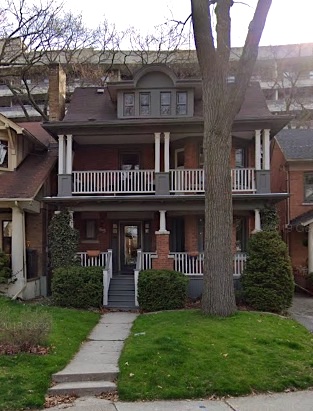
Biruté Galdikas is known for her lifelong research to save the critically endangered orangutans of Borneo. As a nine-year-old girl in 1956, she lived with her family at 65 Gothic Ave., just two blocks from High Park — and her nature excursions there changed the course of her life.
At the time, High Park stretched across 400 acres, similar to its footprint today. But the park was very different back then, before pools, tennis courts and a restaurant were added in the 1960s.
When Galdikas wandered there, a third of the park was still in its natural state, with lush vegetation and old-growth forest. Marked by steep ravines, small creeks and ponds, the park’s animals and plants sparked her imagination and curiosity.
High Park’s wildlife was her inspiration
In Grenadier Pond, Galdikas searched for tadpoles and turned over rocks to find blunt-snouted salamanders. In streams flowing under willow trees she spotted large land turtles and nesting mallard ducks. At times she imagined herself as an Indigenous person making her way to a French trading fort at the Humber River.
She was fascinated by the prehistory of the park, reaching back to the origins of humans there. During these excursions, she decided she wanted to be an explorer. “Ever since I was a small child, I was curious. I wanted to discover new paths through my favourite park and learn about nearly everything at school. But most often I wondered about the very existence of human beings. Where did we come from? Who were our ancestors?”
Galdikas attended Alexander Muir and Runnymede Public Schools, and grades 9 and 11 at Humberside and Bloor Collegiates.
A childhood friend remembers
Mare Britton Tiido, a childhood friend of Galdikas, recalls a Toronto visit with Biruté in 1998:
“Biruté requests that we drive past my parents’ old house across the road from Runnymede Public School. My memory goes back to the old wooden staircase of the Kennedy Avenue home, where we had spent countless hours conversing.
“I remember her telling me how painful it was for her to watch the orangutans left to wilt for years in the barren concrete pens of the antiquated Riverdale Zoo. In those early days, Galdikas had seen in their eyes the human qualities that we now know they possess, as they share more than 97 per cent of genetic material with us.”
Tiido also recalls her friend’s zest for learning:
“I can also vividly recall a Runnymede Grade 8 program where Biruté attempted to perform Shakespeare’s Macbeth entirely by herself and appeared to have memorized the entire text. Leaping up to stab a victim and then reclining to receive the blow, she caused a class uproar.
“A prodigious reader of both literature and history, Galdikas was also a raconteur. At the Hart House cafeteria, during a visit to the University of Toronto in her university days, she regaled some graduate students with a well-researched yarn that traced her origins to Genghis Khan. Behind the antics was a deep interest in ancient history, reaching towards prehistoric origins and the realm of anthropology.”
A pioneer of primate research
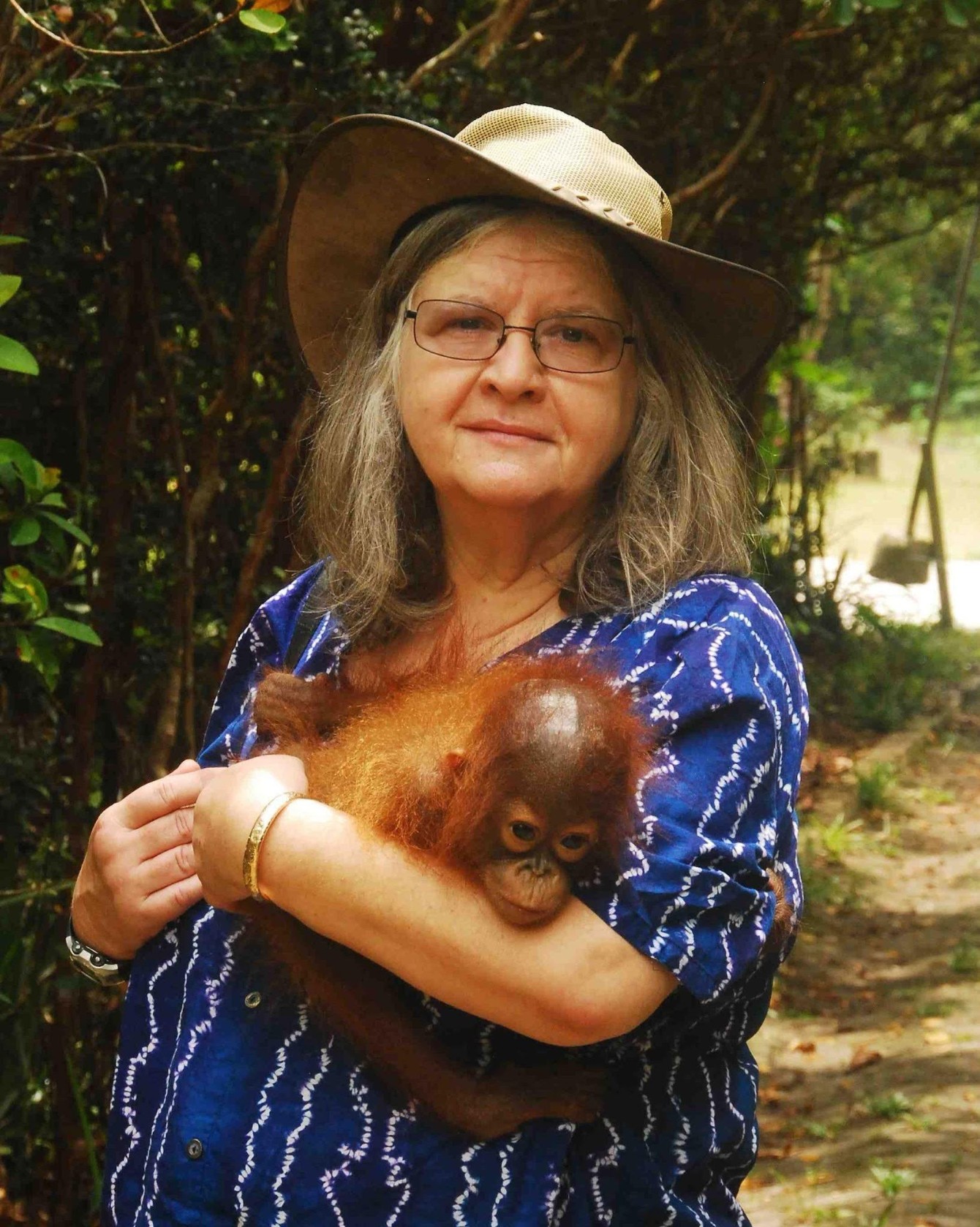
After completing her studies at UCLA, Galdikas was mentored by the paleoanthropologist Louis Leakey, who had also supported Jane Goodall and Dian Fossey in their studies of chimpanzees and gorillas — the three became known as “The Trimates.”
In 1971, at 25, Galdikas travelled to the Tanjung Puting Reserve in Indonesian Borneo, where she established Camp Leakey and began more than 50 years of orangutan research.
She pioneered the rehabilitation of captive orangutans and founded the Orangutan Foundation International in 1986, spending her final decades fighting the destruction of Borneo’s rainforests to palm oil and logging.
Galdikas died in Los Angeles on March 24, 2026, at the age of 79.
Parts of this story were drawn from Anita Silvey’s 2019 book Undaunted: The Wild Life of Birute Mary Galdikas and Her Fearless Quest to Save Orangutans.